
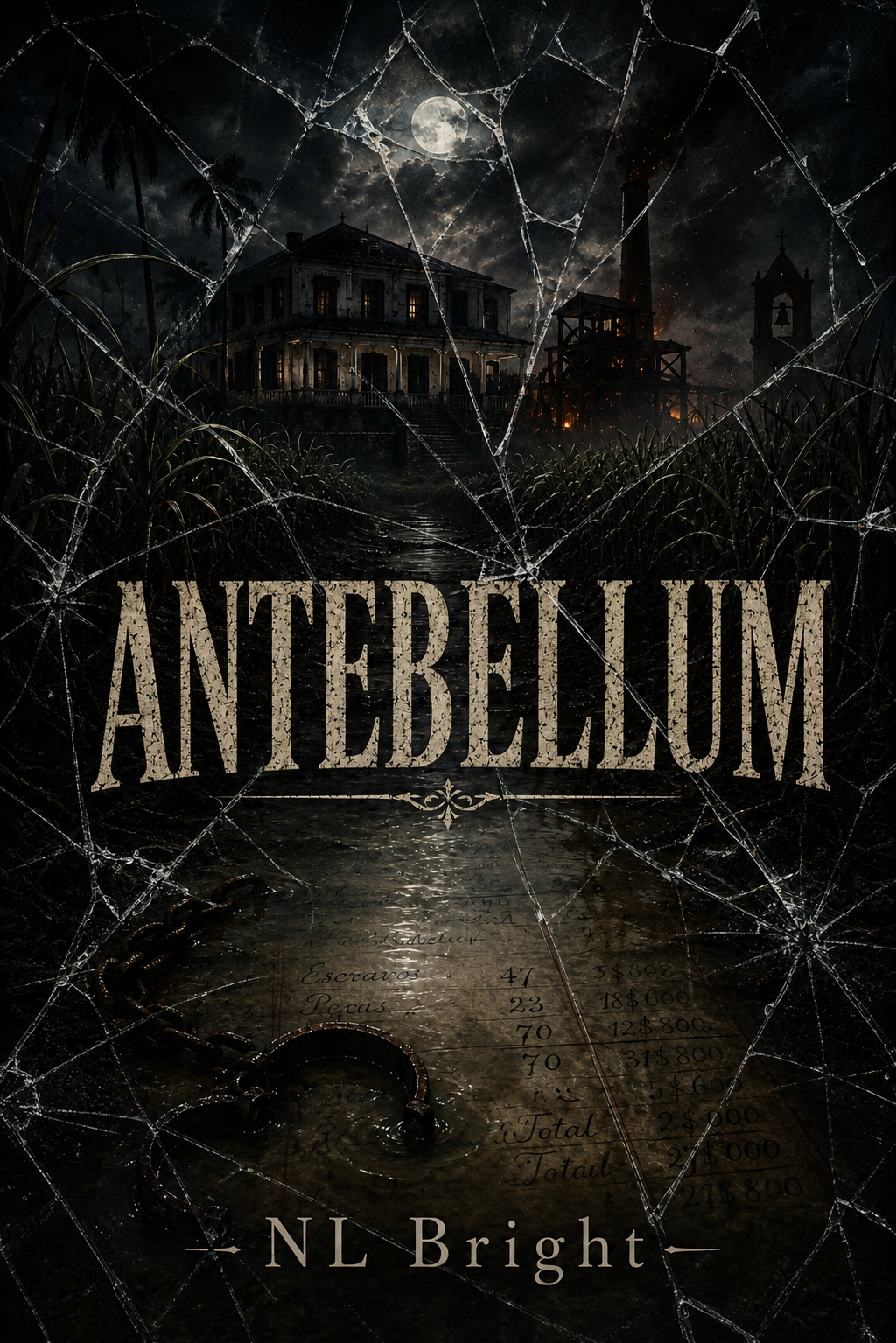
Antebellum
What begins as violence becomes inheritance.
Antebellum brings The Bondage Trilogy into a world where slavery has become deeply embedded in law, economy, politics, land, family, social hierarchy, and national identity.
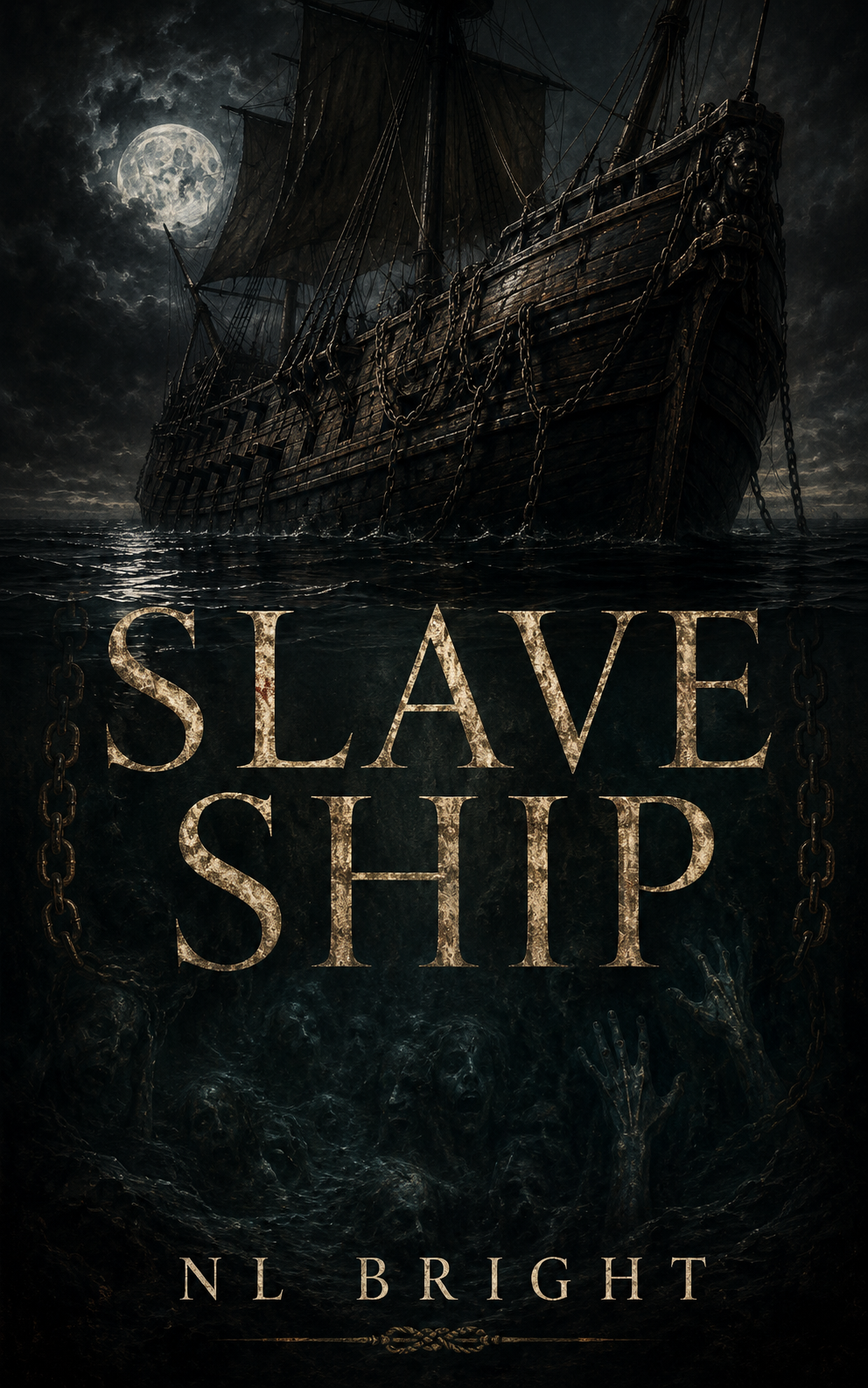
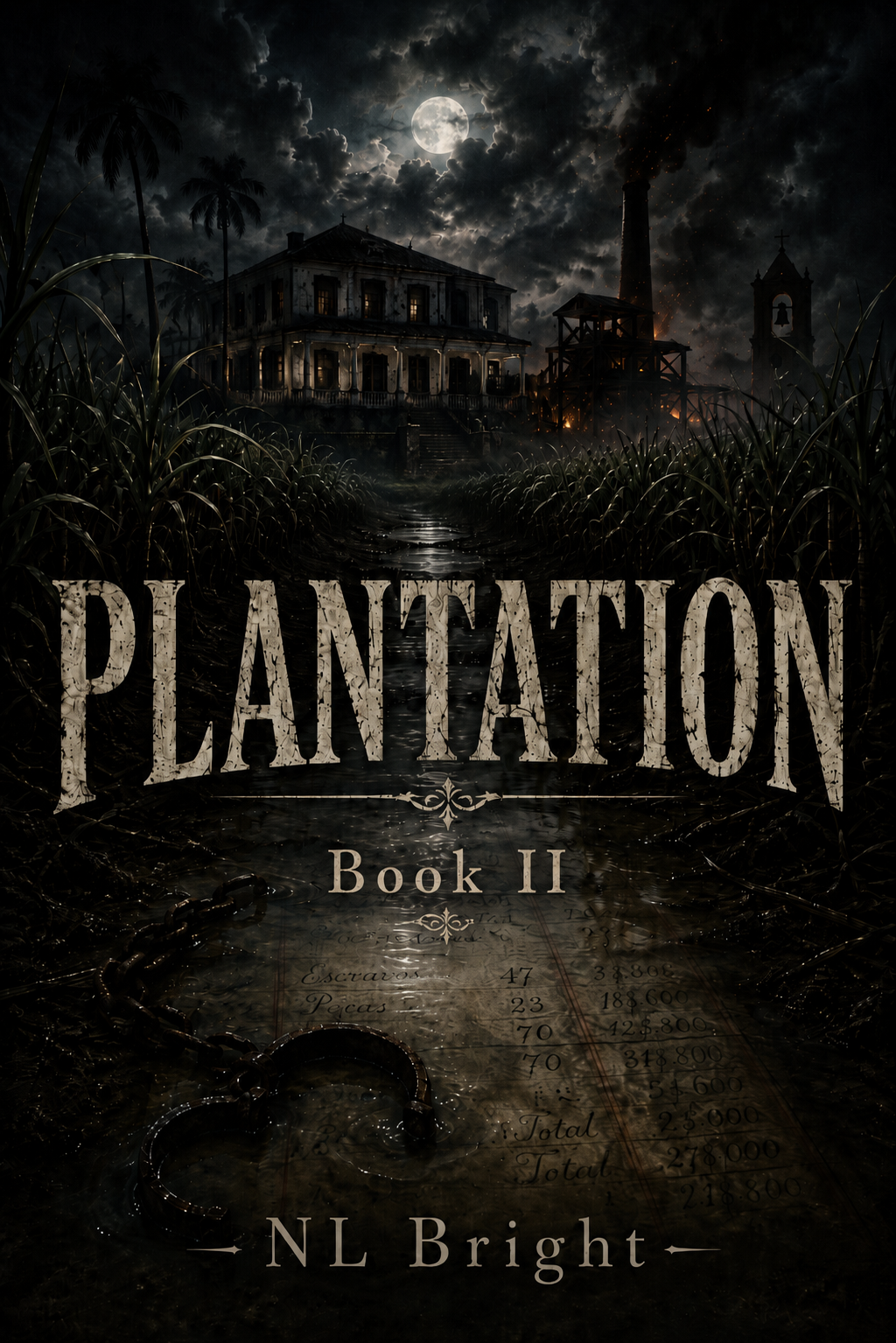
The crossing of the first book has become history. The plantation system of the second has expanded into a social order capable of reproducing itself across generations.
People are born into positions determined before they can understand them. Wealth and privilege accumulate through bondage. Families live with the possibility of separation. Those who benefit from the system create moral and political arguments to defend it, while those trapped inside it continue searching for ways to survive, resist, protect one another, and imagine lives beyond its authority.
The approaching national crisis does not erase the intimate realities of bondage. Instead, the conflict between political ideals and lived human experience becomes increasingly impossible to ignore.
Antebellum completes the trilogy’s movement from captivity to institution to inherited social order, examining how bondage reshapes not only the people enslaved by it but the society that depends upon it.
The Bondage Trilogy
Read the full historical progression from forced crossing to plantation bondage and into an antebellum society shaped by generations of enslavement, inheritance, resistance, and survival.