
Plantation
A system becomes most powerful when cruelty becomes routine.
The forced crossing brought captives into a new world. The plantation turns captivity into structure.
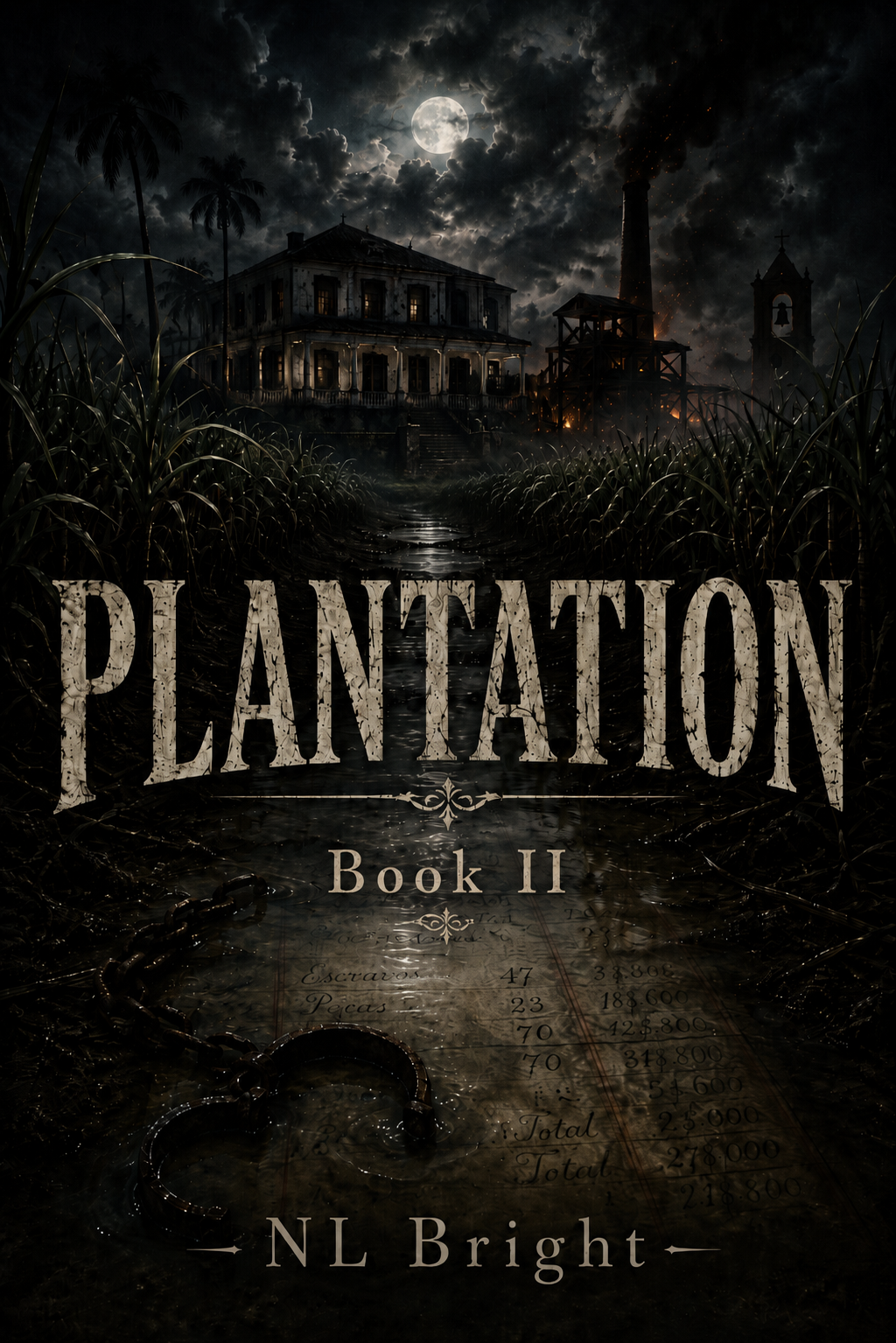
In Plantation, the second volume of The Bondage Trilogy, enslavement is no longer confined to a ship or a journey. It has become land, law, labor, inheritance, commerce, discipline, family separation, and everyday life.
The plantation attempts to organize every part of existence around ownership. Human relationships are measured against economic value. Family can be broken by sale. Survival requires negotiation with a system that insists the people inside it are property before they are anything else.
Yet the people subjected to that system continue creating lives within and against it. Memory persists. Family persists. Resistance takes different forms. Small acts of autonomy become significant precisely because the structure surrounding them is designed to make autonomy impossible.
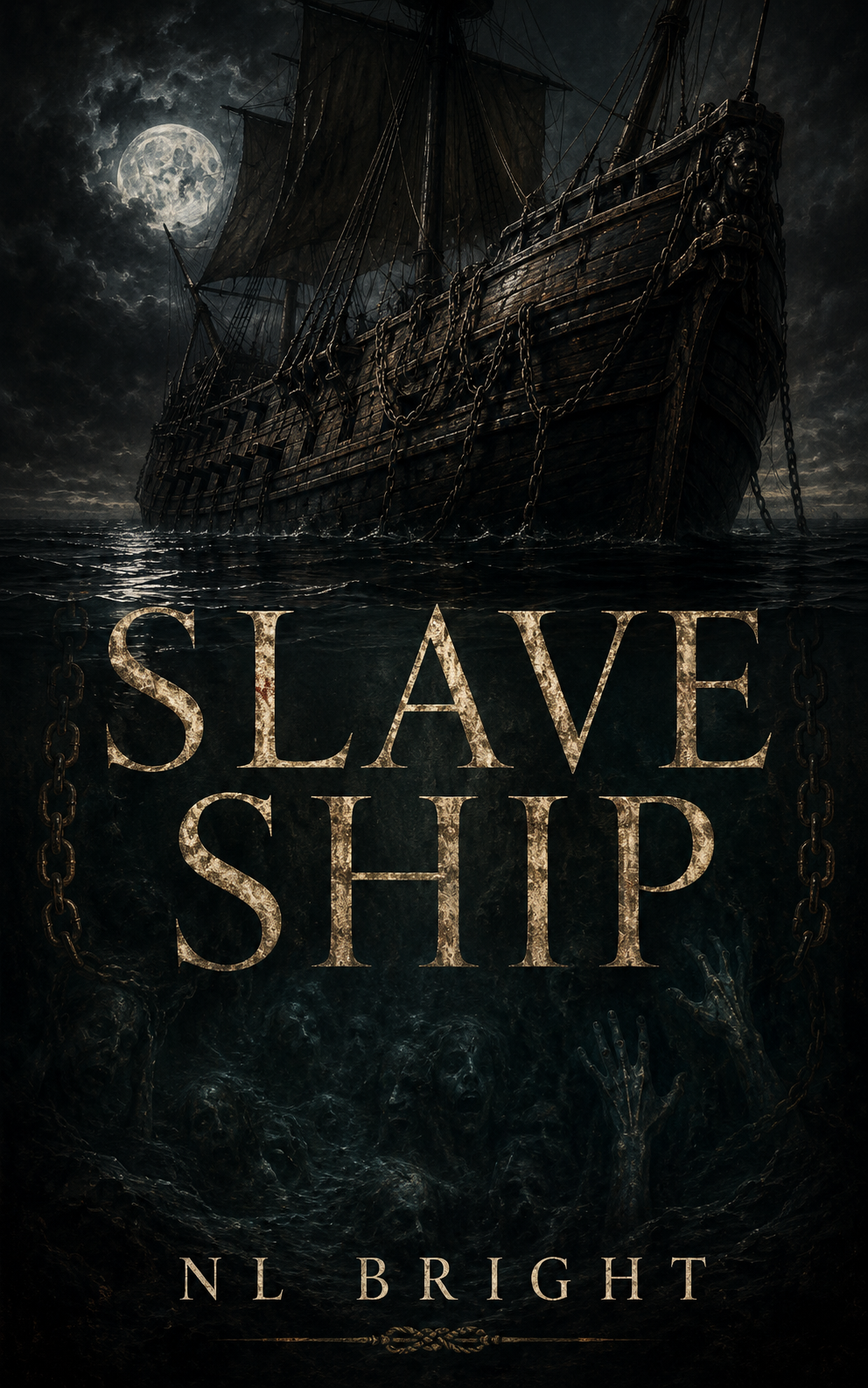
Plantation continues the historical arc begun in Slave Ship, examining how bondage becomes institutional, generational, economic, and ordinary—and how people continue asserting humanity inside a system built to deny it.
From Crossing to Antebellum
Follow the progression from forced transportation through plantation bondage and into an antebellum society shaped by generations of enslavement, inheritance, resistance, and survival.