
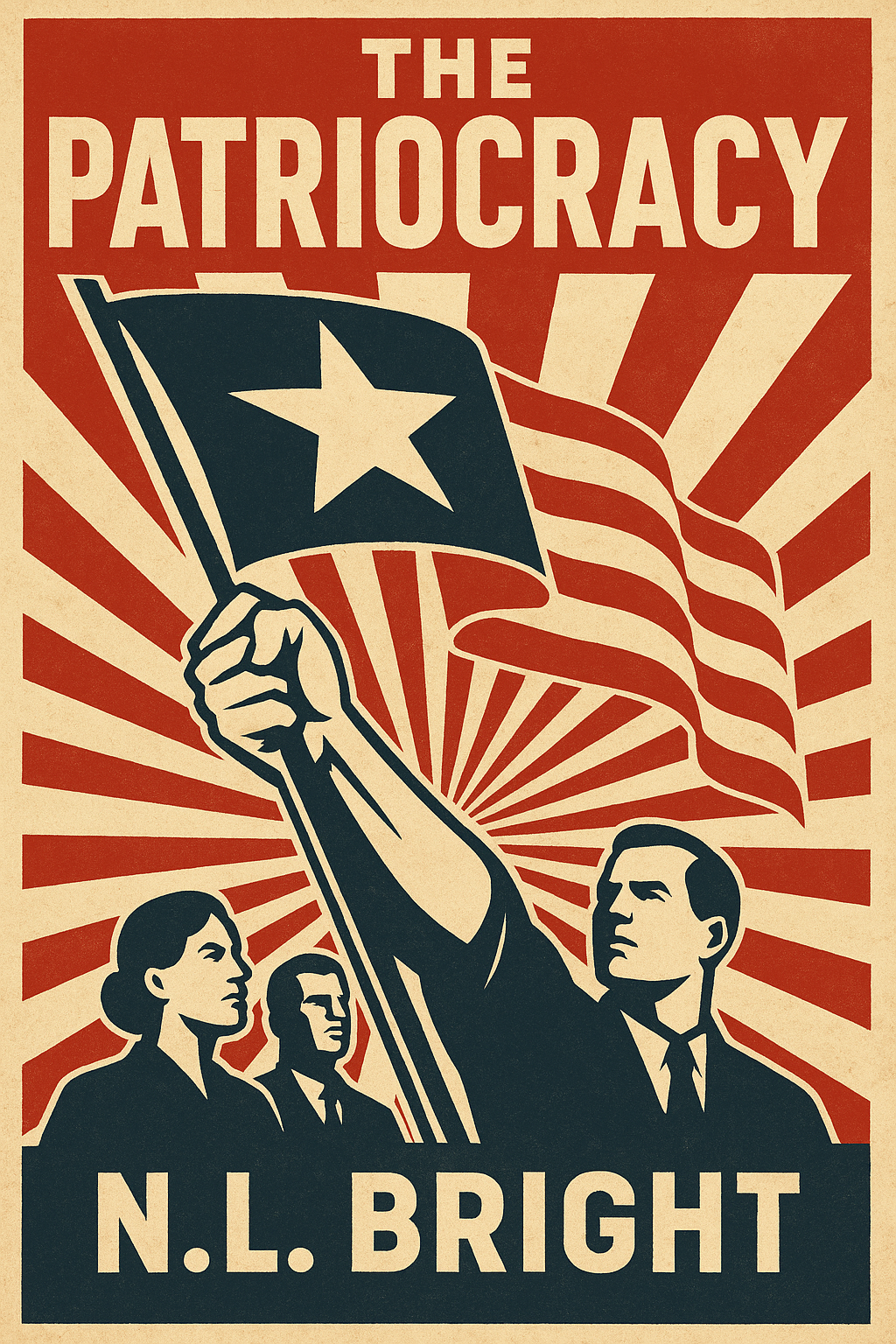
The Patriocracy
When power becomes tradition, tradition becomes its own argument.
The Patriocracy turns political authority, institutional power, cultural expectation, and the inheritance of social privilege into the machinery of satire.
Governments may call themselves representative. Institutions may describe themselves as neutral. Leaders may insist that the rules apply equally to everyone. But systems carry histories, and histories have a habit of leaving fingerprints on the present.
In a world where authority has been shaped by generations of people accustomed to possessing it, equality becomes more complicated than simply announcing that everyone is now welcome.
Political language grows increasingly elaborate as those inside the system explain why existing arrangements remain reasonable, necessary, traditional, efficient, or simply too complicated to change.
Through satire, social observation, institutional absurdity, and political contradiction, The Patriocracy examines who gets heard, who gets believed, who gets promoted, who gets protected, and who is expected to remain grateful simply for being allowed into the room.
It is a novel about systems that insist they have evolved while quietly preserving the assumptions that made the old arrangement possible in the first place.